Why We’re Different, Not Better
Children are naturally curious and often ask tough questions. As a parent or grandparent, it’s our job to provide answers that are both truthful and easy for them to grasp. One question that often comes up is about skin color. Kids see differences in their friends and classmates and wonder, “Why are kids different colors?”
Answering this question can be a beautiful opportunity to teach a powerful lesson about diversity, acceptance, and the beauty of our differences. We can use the natural world as our guide.
Discovering Diversity in Nature
Think about a garden. Do all flowers look the same? Of course not! You have red roses, yellow sunflowers, purple lavender, and white daisies. Each one is beautiful and unique. A garden with only one type of flower would be boring! The different colors and shapes make the garden vibrant and special.
The same is true for fruits and vegetables. Think of the variety of apples: some are red, some are green, and some are yellow. They all grow on trees and are all delicious, but their differences make them interesting. Or consider the different shades of a carrot, from orange to purple to white. Each is a healthy snack, but they’re all a bit different.
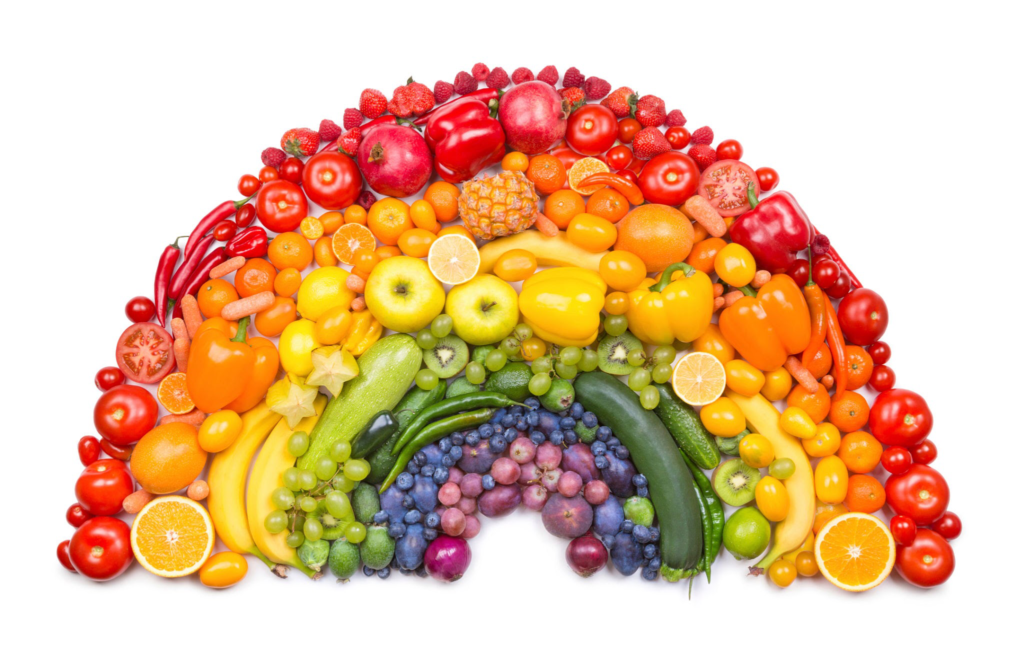
It’s the same with people. We come in many different colors—brown, black, white, and everything in between. These differences are what make the world so interesting and beautiful. Just like the flowers and fruits, our different colors don’t make one person better than another. They just make us different from each other. ��
A Book for This Lesson
Finding the right resources can make these conversations so much easier. A children’s book can be a wonderful tool to help explain complex ideas in a simple, relatable way.
One book you might consider is “Cherub – The Human Race.” This book is designed to answer a child’s question about skin color using an analogy a child can understand. It helps them see that our differences are natural and beautiful, just like the colors in a rainbow or the different animals in the jungle. It helps kids understand that the human race is like a family, and we all have a place in it, no matter our color.
By using simple comparisons and a gentle, child-friendly approach, “Cherub” helps to build a foundation of empathy and understanding. It reinforces the idea that we are all valuable, and our differences should be celebrated.
The Takeaway
By starting this conversation early and using tools like books and nature, we can help our children appreciate their own identity and the beauty of others. We can teach them that being different isn’t a bad thing—it’s what makes us special. The world is a much better place because of our vibrant colors and unique stories. So, the next time your child asks why people are different colors, you can smile and say, “Because our differences are what make the world beautiful.”
Finding the Perfect Book: Explaining Why We’re All Beautifully Unique
As parents and grandparents, we often face those big, important questions from our little ones. One question that comes up, especially as children start noticing the world around them, is “Why are kids different colors?” It’s a wonderful opportunity to talk about acceptance, understanding, and the incredible beauty of our human family.
Navigating the vast ocean of children’s books online can be a challenge. You want a story that not only answers the question in a way a child can grasp but also fosters a sense of wonder and connection. A book that empowers them to see the richness in our variations, rather than just differences.
Imagine a conversation where a child learns that just like in nature, where a red rose isn’t “better” than a yellow daffodil, but simply another part of a breathtaking garden, we humans are also wonderfully varied. The vibrant hues of a sunset are all part of one sky, and the different shades of autumn leaves make the forest more spectacular.
Children have an innate curiosity, and comparing our human family to the natural world around us can be a powerful way to explain complex ideas simply. It helps them understand that our unique appearances are not about being better or worse, but about contributing to a beautiful, interconnected world. We are different for each other, each bringing our own special color to the mosaic of humanity.